PAULA WISEMAN

Faith and life meet in a story

  • Home
  • Fiction
    • Covenant of Trust Series
    • Foundations Series
    • Encounters Series
  • Bible Study
  • Devotional
  • Posts
    • Read All
    • Monday Meditations
    • Study Tip Tuesday
    • Wednesday Worship
    • Thursday in the Word
    • Writing Friday
  • Shop
  • VTreats
Home » Key Ingredients for Growth series

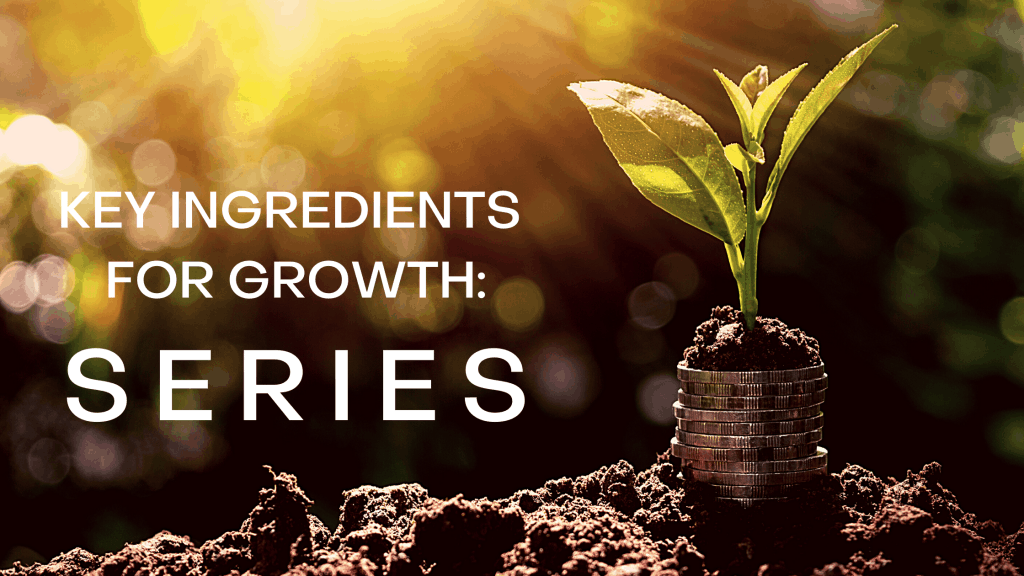
Key Ingredients for Growth series

Key Ingredients for Growth: Protection

By Paula Wiseman

Key Ingredients for Growth Protection title graphic

But grow in the grace and knowledge of our Lord and Savior Jesus Christ. 2 Peter 3:18

Today we come to the final post in our series about the things plants need to grow and thinking about how that applies to us. We started off with the good, rich dirt and how our church can be that nurturing environment. But if the dirt isn’t regularly infused with water, that is the word of God, we will dry out very quickly. That’s not all we need. If the rich dirt is well-watered but shaded, the plant will lose strength and die. So we also need light in the form of understanding and righteousness.

One last thing we need is protection.

Where we live, any number of varmints can wreak havoc on our gardens. Deer, rabbits, crows, and bugs begin their attacks as soon as things begin to get green and they don’t let up for the entire season. They prevent the plants from growing and thriving but they also destroy the fruit and vegetables before we have a chance to pick them.

As believers, we have to protect ourselves from a host of varmints like the ones Paul warned the Colossians about. But now you must put them all away: anger, wrath, malice, slander, and obscene talk from your mouth. (Colossians 3:8) If those critters see an opportunity, they will eat away at us, preventing us from growing and from having any fruit.

But in Colossians 3:12-17, Paul lists what we need to keep those pests out. Compassionate hearts
Kindness
Humility
Meekness
Patience
Bearing with one another
Forgiving each other
Love, which binds everything together in perfect harmony.

Then here’s how you put those to use.
Let the peace of Christ rule in your hearts,
Be thankful.
Do everything in the name of the Lord Jesus.

Things like anger, malice and slander can’t get through defenses like these.

At the beginning and end of the season and as the plant is just getting started, we also have to protect it from the environment. Frost and strong winds can damage the plant or ruin the fruit. We have to pay close attention to the weather forecast and be ready to put in some extra work to prevent a loss in the garden.

Our culture presents a challenging environment to try to grow believers. Not only is immorality celebrated, but spiritual laziness, materialism, and distraction are constant threats. We have to be prepared to do a little extra work to protect ourselves. Paul advises, “Do not be conformed to this world, but be transformed by the renewal of your mind, that by testing you may discern what is the will of God, what is good and acceptable and perfect. (Romans 12:2) We must actively, consistently choose activities and relationships that will help us grow. Spiritual disciplines (hmmm, that might be a good series) and seeking out mentors can protect us from a harsh environment.

So as we think back across the series, take a moment and evaluate your life as a believer. Are you growing? If not, why not? Are you getting plenty of water and light? Are you in good soil? Are you protected from environmental dangers and threats?

Remember Peter’s last recorded words in Scripture. “Grow in the grace and knowledge of our Lord and Savior Jesus Christ.” That was his great desire for the people he shepherded. Let it be our great desire and prayer for each other.

Filed Under: Thursday in the Word Tagged With: 2 Peter, Colossians, Key Ingredients for Growth series, Romans

Key Ingredients for Growth: Light

By Paula Wiseman

Key Ingredients Light title graphic

But grow in the grace and knowledge of our Lord and Savior Jesus Christ. 2 Peter 3:18

We’re looking at the things a plant must have in order to grow — like good dirt, water, light and protection — and thinking about how that applies to us. We started off with the good, rich dirt and how our church can be that nurturing environment. But if the dirt isn’t regularly infused with water, that is the word of God, we will dry out very quickly. That’s not all we need. If the rich dirt is well-watered but shaded, the plant will lose strength and die. We need light for growth.

As we think through these, it’s important to remember that this is an analogy and won’t have a one-to-one correspondence between picture and reality, and we are likely to see a lot of overlap. The point still stands that there are some critical things that we need to grow as believers.

The theme of light is woven throughout Scripture. It is associated with God, His presence, and His glory. Certainly we have no life without God. He first formed Adam. Job 33:4 affirms this. So as we saw with water, we cannot grow until we are first made alive, and God is ultimately and solely responsible for giving us life.

Light is also used symbolically and metaphorically in Scripture and those ideas are the ones we will draw from for our study.

Light is understanding
In the opening chapter of the book of Ephesians, Paul mentions that he prays regularly for the church there, and this is what he prays: “that the God of our Lord Jesus Christ, the Father of glory, may give to you the spirit of wisdom and revelation in the knowledge of Him, the eyes of your understanding being enlightened; that you may know what is the hope of His calling, what are the riches of the glory of His inheritance in the saints, and what is the exceeding greatness of His power toward us who believe, according to the working of His mighty power Ephesians 1:17-19

In other words, Paul prays that God would help the believers in Ephesus understand:

The HOPE that comes with being called to salvation in Christ Jesus
The RICHES and GLORY of the inheritance the believers will receive.
The EXCEEDING GREATNESS of God’s power working on our behalf, transforming us to be more like Christ

As those realities sink in, as they take hold of our hearts and our minds, the only response is a deeper commitment to live for Christ, that is to live in obedience and honor Him in everything. That light then shines into the darkness around us.

Light is righteousness
This is the message we have heard from him and proclaim to you, that God is light, and in him is no darkness at all. If we say we have fellowship with him while we walk in darkness, we lie and do not practice the truth. But if we walk in the light, as he is in the light, we have fellowship with one another, and the blood of Jesus his Son cleanses us from all sin. 1 John 1:5-7

We must live a different, distinct lifestyle from the rest of the world. Our conversation, our conduct, our compassion, our discipline, our work ethic, our generosity, our patience must set us apart from the standards of the culture. We must be distinguished by the active good that we do more than the evil we oppose. (And I’m not saying don’t oppose evil. Of course we oppose evil. But if the only thing the body of Christ is known for is what we are against, we have a problem. We are not communicating the love of Jesus.)

As we continue to live a life that honors Jesus, that imitates Him, we will grow.

Next week we’ll look at one more necessary thing – protection.

Filed Under: Thursday in the Word Tagged With: 1 John, 2 Peter, Ephesians, faith in real life, Job, Key Ingredients for Growth series

Key Ingredients for Growth: Water

By Paula Wiseman

Key Ingredients for growth Water title graphic

But grow in the grace and knowledge of our Lord and Savior Jesus Christ. 2 Peter 3:18

We’re looking at the things a plant must have in order to grow — like good dirt, water, light and protection — and think about how that applies to us. Last week we thought about the good, rich dirt and how our church can be that nurturing environment. But that dirt can only get you so far. If it dries out, the plant is not going to last long. Oh, it will fold in on itself for a little while and try to survive, but it can’t. We need water to grow.

The New Testament mentions water a few times so we’ll lean on those verses as we think about what is critically important to our growth. The first one comes as Jesus sits on the side a well in the Samaritan city of Sychar, talking to a woman who has come to draw her day’s supply of water.

Jesus said to her, “Everyone who drinks of this water will be thirsty again, but whoever drinks of the water that I will give him will never be thirsty again. The water that I will give him will become in him a spring of water welling up to eternal life.” John 4:13-14

Then a little later, on the last day of the Feast of Tabernacles (or Booths), Jesus announces:

Whoever believes in me, as the Scripture has said, ‘Out of his heart will flow rivers of living water.’” Now this he said about the Spirit, whom those who believed in him were to receive, for as yet the Spirit had not been given, because Jesus was not yet glorified. John 7:38-39

So what does that tell us. First we can’t expect to grow as believers if we are not genuinely saved. If we have simply embarked on a Christian-ish program of self-improvement, we won’t see any more more transformation than I would see if I swore off M&Ms.

Birth must precede growth.

We have to come face to face with the reality that our sin offends a holy God and we are hopeless to ever make amends. However, perfect, sinless Jesus Christ has been judged for our sins, in our place, and God will accept that judgment and the death sentence that was carried out. Jesus’s resurrection is proof that God approved of Christ’s death on our behalf. Of course, this is not a global, general thing. It has to be an individual transaction. That’s why we use the term “personal” savior.

The Holy Spirit helps us grow.

How do we know that we are really born anew and not just messing around? If we understand how offensive our sin is to God and that horrible price it demanded for redress … we commit our lives to living in a way that pleases that holy God, even if we fail sometimes, the trajectory of our lives is clearly aimed at being like Jesus. That is accomplished not by us promising to do better but by the Holy Spirit living in us. The Holy Spirit Jesus was talking about in John 7:38-39.

The Word helps us grow.

Husbands, love your wives, as Christ loved the church and gave himself up for her, that he might sanctify her, having cleansed her by the washing of water with the word. Ephesians 5:24-25

Paul adds another dimension to that water that we need to grow. He uses a theological word – sanctify. Sanctification is the process we go through that takes us from newborn babies who just believed in Jesus to fully mature saints in the very presence of God. (Hint: We won’t finish the process in this life.)

He says Christ cleanses us with the word. What “word” does Paul mean? Jesus is called the Word at the beginning of John’s gospel. The gospel is called the word (as in, preach the word). The Bible is called the word. You could make a case for all three. Jesus does the cleansing by His death on the cross. The gospel lets us know that we can’t do anything on our own, but we need Jesus for everything. (John 15:5) And as we learn about Christ and His ways through scripture we conform to it.

Immerse yourself in the Word. Soak in it. Read. Think about. Memorize. Study. Hear it taught and preached. Discuss it.

That’s how you grow.

Next week: Light.

Filed Under: Thursday in the Word Tagged With: 2 Peter, Ephesians, faith in real life, John, Key Ingredients for Growth series

Key Ingredients for Growth: Dirt

By Paula Wiseman

Key Ingredients for Growth: Dirt title graphic

But grow in the grace and knowledge of our Lord and Savior Jesus Christ. 2 Peter 3:18

Late last year, my husband took a different job and we moved back home. Home where we spent the first seven years of our married life, where he had grown up and just across the river from where I grew up. For the intervening twenty years, we lived in a rural community surrounded by farmland (with an oil refinery, too). Now we’re back where the farm is right outside the door. My husband’s family farmed and his brothers still do. We don’t have the acreage so we garden. All of this gives us plenty of opportunity to see how plants grow. Those lessons help us understand how we grow as believers and give us some things to consider that will help us grow. So over then next weeks we’re going to look at the things a plant must have in order to grow — like good dirt, water, light and protection — and think about how that applies to us.

We’ll start by considering the soil we plant in. To give our plants the best chance to grow and thrive, they need good soil. Not hard, compacted clay. Not loose sand, but rich dirt, full of nutrients and organic compounds. We need dirt that will allow the roots to grow, that has a balanced pH, and that’s not full of rocks and other junk. But before we can plant anything, the soil must be plowed, disked, and dragged. So composition, constitution and preparation.

Now the best analogy in the lives of believers for the dirt we plant in is the church. What kind of composition, constitution and preparation can help us grow?

Composition – The body of Christ needs to be rich and full of nutrients so that believers grow. Rich in mercy, like God (Ephesians 2:4), rich in good works (1 Timothy 6:18) and rich in faith (James 2:5). The Word of God must be the source of our nourishment, whether from the pulpit or in a small group. Just like the soil pH has to be balanced, we have balance uplift and encouragement with correction and admonition. (2 Timothy 3:16)

Constitution – How is the body put together? Is it difficult to learn and grow? The body of Christ needs pastors and teachers gifted by the Holy Spirit who rely on Him as they prepare. (I’ve had occasion to visit a lot of churches and classes in the last few years. They have all been led by sincere people who love Jesus, but that sincerity does not always lend itself to being a good teacher or expositor.) The curriculum or subject matter should be sound, well-written and relevant. Our small groups need to be organized so that everyone has the opportunity to take part, to ask questions, to participate and grow. We also may have to make sure that peripheral issues, church politics, personal preferences and other rocks don’t interfere with learning and growing?

Preparation – I put this one last, because it often falls last in our thinking. We don’t do any planning or preparation for growth and then we are surprised and disappointed when people don’t progress in their Christian walk. Farmers and gardeners will tell you, if you just sling out some seed and hope for the best … you’re going to be disappointed. I’m afraid that’s how we sometimes approach our Commission. We’ll just throw the gospel out there and good things have to happen. It could work that way, but let’s think about how Jesus did it. Jesus taught His disciples, sent them out to practice what they learned, helped them download the experiences, taught them deeper stuff, then handed off responsibility to them. Paul used the same progression with Timothy, Titus and others. This was intentional and purposeful, not accidental. It is hard work but it is a critical step if we want to see growth. When people come into the body of Christ, we have a responsibility to make sure they progress to a place of service and not let them languish as spectators.

Are you growing? Is your church good soil? What can you do to improve the composition, constitution or preparation of the soil?

Next week: Water


Read the other posts in the series

Filed Under: Thursday in the Word Tagged With: 1 Timothy, 2 Peter, 2 Timothy, Ephesians, Key Ingredients for Growth series

(c) 2009-2025 Paula Wiseman & Sage Words · Site Developed by Paula Wiseman · Privacy Policy

We use cookies to ensure that we give you the best experience on our website. If you continue to use this site we will assume that you are happy with it. Privacy policy
You can revoke your consent any time using the Revoke consent button.